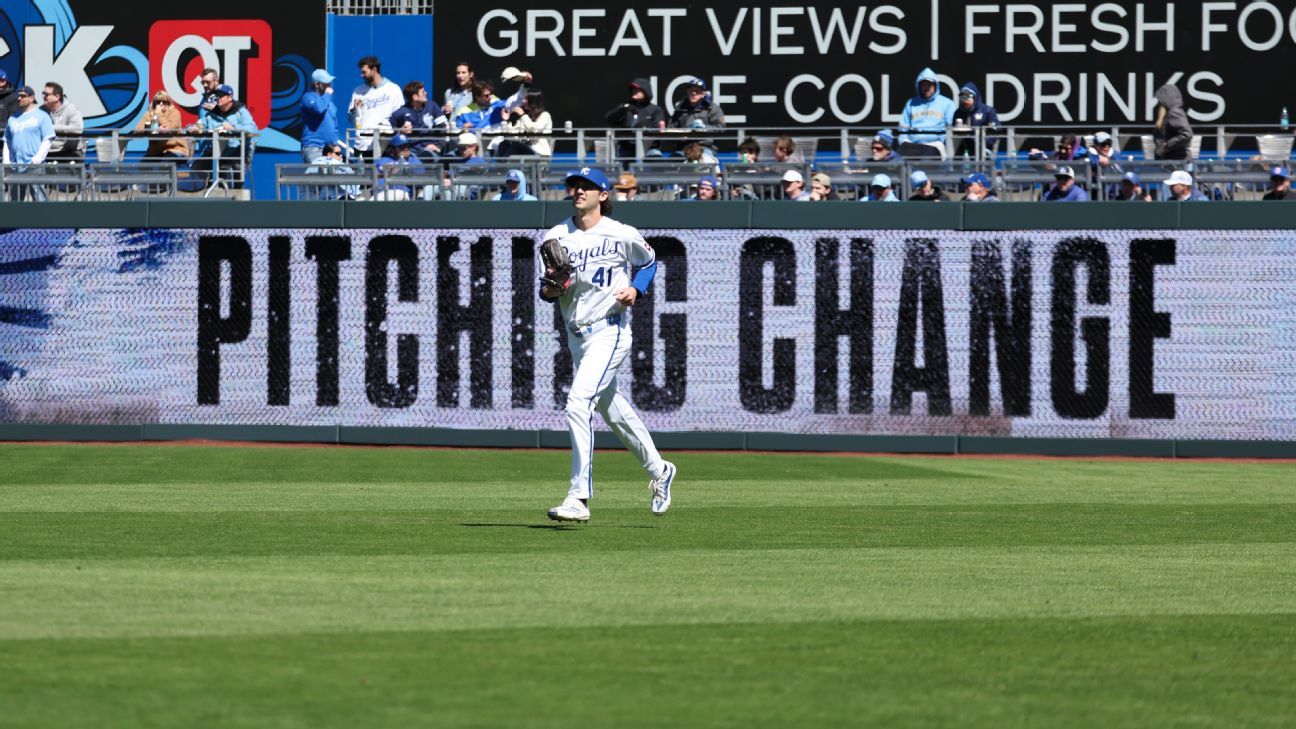
As Major League Baseball enters the 2026 season, a surprising trend has emerged among some of the league's most successful teams: difficulties in securing reliable closers. Traditionally, teams with strong lineups and solid starting rotations could count on their closers to finish games confidently. However, this year, many top-tier teams are experiencing bullpen instability, particularly in the closer role.
The volatility of bullpens has become more pronounced than ever, with injuries, inconsistent performances, and a scarcity of elite closing options contributing to the problem. Even teams with deep rosters and high expectations are finding it challenging to identify a dependable ninth-inning pitcher. This shift has significant implications for team strategies and playoff prospects.
One of the main reasons behind this trend is the increasing difficulty in developing or acquiring high-caliber closers. The traditional archetype of a dominant, high-velocity pitcher with a sharp slider is less common, and teams are often forced to rely on relievers who may lack experience or consistency under pressure. Additionally, the physical toll of pitching at the highest level has led to more injuries among relievers, further depleting teams' options.
Moreover, the modern game emphasizes versatility in bullpen usage, with managers often deploying relievers in multiple roles rather than specializing solely as closers. While this approach can be effective, it also means that dedicated closer roles are less defined, leading to a lack of stability in the ninth inning.
Several teams that have historically been known for their strong bullpens are now facing challenges. For instance, the New York Yankees, Los Angeles Dodgers, and Houston Astros, all of whom have had success in recent years, are experiencing closer struggles. These issues have prompted teams to experiment with different pitchers in the ninth inning, sometimes resulting in late-game collapses or blown saves.
The impact of these bullpen issues extends beyond individual games. As teams grapple with finding reliable closers, their postseason chances can be affected, especially in high-pressure situations where a single run can determine the outcome. Teams are now prioritizing bullpen depth and versatility more than ever, seeking pitchers who can adapt to various roles and handle the stress of closing games.
Looking ahead, the trend suggests that teams will continue to invest in bullpen talent, whether through trades, signings, or player development. The importance of a dependable closer has never been more evident, and teams that can solve this puzzle will likely have a competitive edge in the race for the championship.
In conclusion, the 2026 MLB season highlights a shift in the league's landscape, with bullpen volatility and closer struggles becoming a defining feature. As teams adapt to this new reality, the quest for reliable ninth-inning pitchers remains a top priority, shaping the strategies and fortunes of teams across the league.